|
|
|
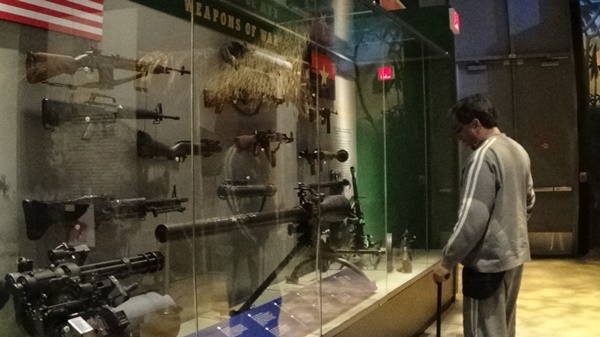
USMC Marine Museum -
Artillery
"Rumors that reinforcements were on the way…spread rapidly…"
Lt. Woodrow M. Kessler, USMC, Wake Island |
|
It was
Christmas Eve 2013 and one arduous year had passed. A
shoulder surgery in the Winter of 2012 had postponed
my long needed wrist
surgery until the Fall of 2013. All
of which added to a leg and hip diagnosis of pain induced stroke
level high blood pressure.
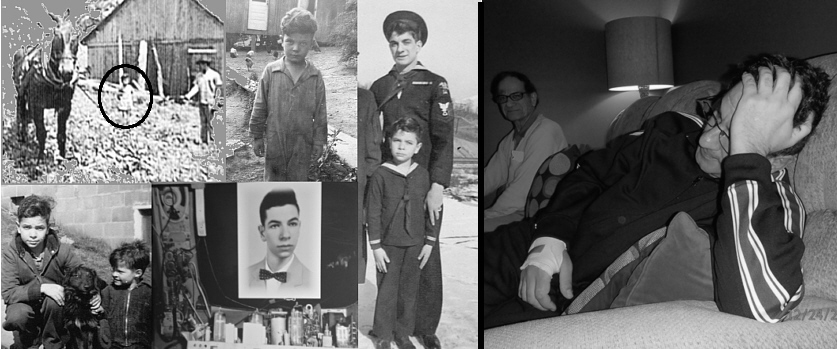
Such preceded the death of my un-diagnosed autistic Uncle
Buddy, (images right). One of extraordinary intelligence, who loved
God, baseball statistics and electronics,
would pass away due to a major nursing home error by
November of 2013.
Once the 2014 New
Year had passed, my wife thought a trip to Washington D.C would
brighten up our spirits. So a few weeks later, we
visited
The Marine Museum...
|
 |
|
|
The following
narratives highlight America's un-preparedness following Japan's
surprise attack on Pearl Harbor.
America would
overcome the deficit and go on to victory in the Pacific and shared
victory in Europe. America would also add a unique
perspective to human history when she assisted in the
rebuilding of two conquered countries. All of which created
two allied relationships for future generations to build on. |
 |
|
|
|
America entered
the Second World War when Japan attacked Pearl Harbor, Territory of
Hawaii, on 7 December 1941. An
attack that
shocked complacently isolationist
America. |
 |
|
|
|
|
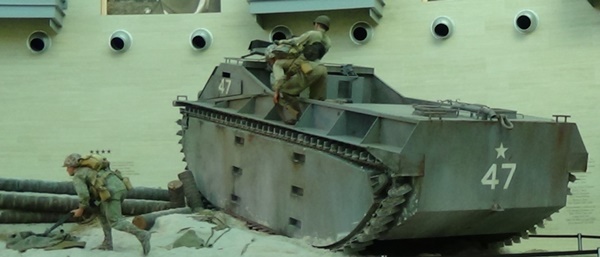
American President Roosevelt aptly called "a date that will live in
infamy". So devastating had been Japan’s surprise
strike against Pearl Harbor that even six months later the
U.S Pacific Fleet was still unable to mount a credible
relief expedition to the Philippines to rescue the besieged
garrison at Corregidor. |
 |
|
|
|
|
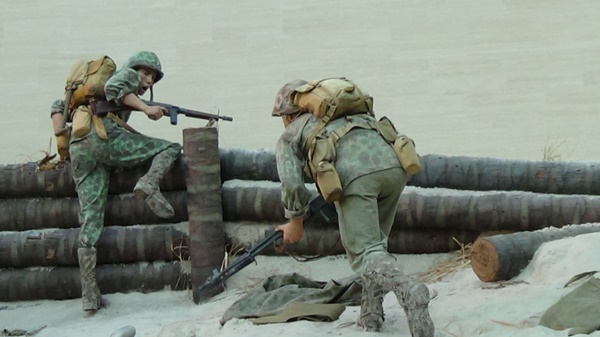
The
Japanese had smothered every Marine outpost west of Midway,
including
China,
Guam,
Wake Island,
and northern
Luzon.
The Marines’ stout-hearted defense burnished the Corps’
legend and inspired the American public, but in the end
their sacrifice produced little more than a certain
immortality and long years of brutal imprisonment.
|
 |
|
|
|
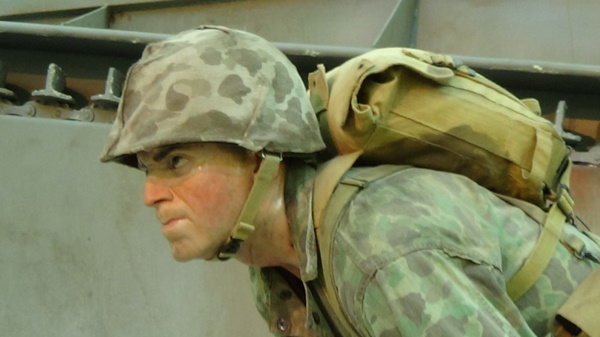
The Marines’ wartime mission endured high-level tinkering as
the
Roosevelt
administration struggled to fight a global war.
Roosevelt
wanted the Corps to form commando units. Other officials
sought to deploy small units of Marines to the
Azores,
North Africa,
or the
Caribbean.
|
 |
|
|
|
|
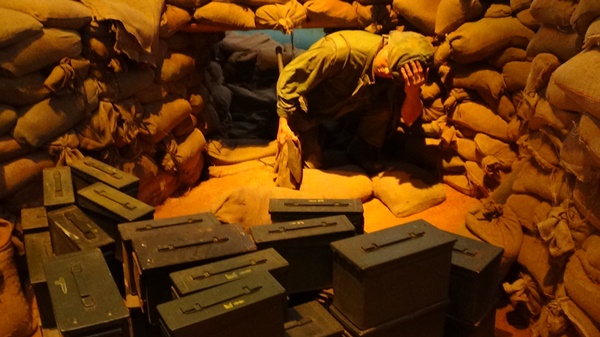
The Joint Chiefs of Staff ended the debate by committing the
Corps to the Pacific as amphibious assault troops. The
Marines welcomed the mission but worried about attaining the
means to accomplish it. |
 |
|
|
|
|
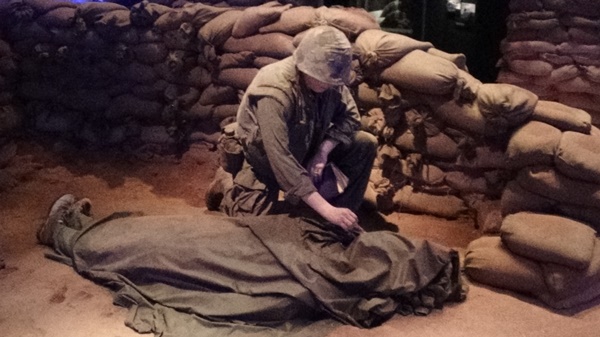
The Pacific War changed dramatically on
20 November 1943
when an enormous
U.S.
fleet appeared unexpectedly in the heart of the
Japanese-occupied
Gilbert Islands
and launched concurrent amphibious assaults against
Tarawa
and Makin Atolls. |
 |
|
|
|
|
To this point
the
United States
had fought desperately with limited resources in the South Pacific
while waiting for the nation’s industry to reach full wartime
production. That day had come.
|
 |
|
|
|
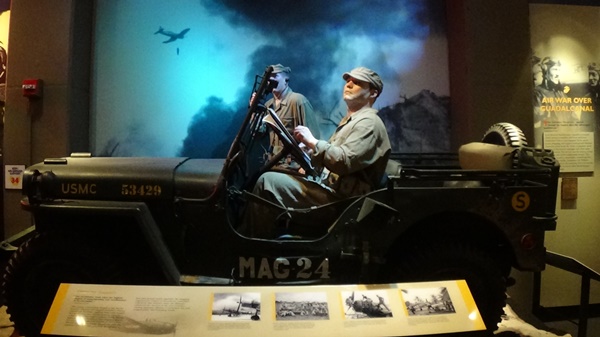
Admiral
Chester Nimitz, Commander-in-Chief of the Pacific Fleet,
abruptly found himself possessing more ships and planes than
any commander in history. Included in this new arsenal were
enough Marines, amphibious ships, and landing craft for the
Leathernecks to spearhead a drive across the vast Central
Pacific to the very doorstep of Japan.
|
 |
|
|
|
|
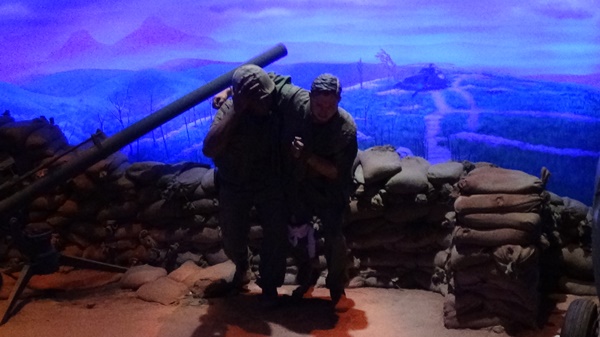
Yet first it was essential that the Marines
validate their still unproven doctrine of offensive
amphibious assault against a heavily defended shoreline.
Betio
Island,
in Tarawa Atoll, the first objective in the new campaign,
would provide that trial by fire. |
 |
|
|
|
|
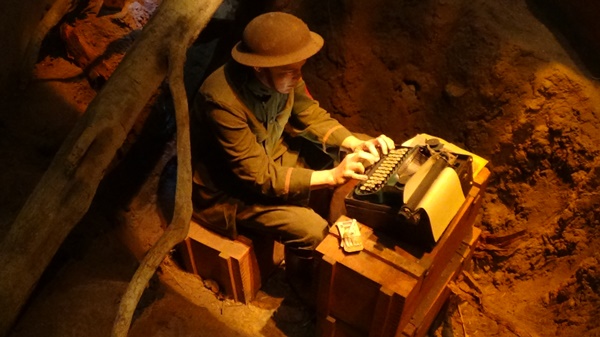
By war’s
end, nearly 19,000 Women Marines constituted the majority of
permanent personnel at all major Marine bases in the
country. They served in 225 different military specialties,
ranging from truck mechanics to parachute riggers. Their
contributions made it possible for the Commandant to deploy
90% of all male Marines overseas, the highest percentage of
any other armed force.
|
 |
|
|
|
|
|
 |
|
Next:
USMS
AIR |
|
| |
|
|
